After a DUI conviction, the ignition interlock device requirements in California decide which vehicles you can drive, how often you see an installer, and when your restriction ends. The rules are strict but predictable, and learning them early helps you avoid losing months to a lapse.
From its Sherman Oaks office, the Law Office of Rodney Gould represents drivers statewide in California DMV matters, including IID restriction problems such as exemption requests and terminated restrictions that an IID hearing lawyer can help sort out. Rodney Gould has practiced law since 1991.
The IID Rules California Drivers Should Keep Handy
A few points shape nearly every IID restriction:
- The term depends on the offense and on priors within 10 years, including a wet reckless.
- Every vehicle the driver operates needs a certified device, serviced every 60 days or sooner.
- Time out of compliance does not count toward the term.
- Lower-income drivers pay a reduced share of device costs.
How Long Do You Need an Ignition Interlock Device After a DUI in California?
A repeat California DUI conviction, or any DUI causing injury, carries a mandatory ignition interlock device (IID) term of 12 to 48 months, based on injury and prior convictions within 10 years. A first DUI without injury carries an optional or court-ordered term of up to six months.
How Long Is the IID Requirement in California?
The mandatory IID term is set by Vehicle Code section 23575.3 and runs from 12 to 48 months for repeat and injury convictions. A "prior" includes a separate DUI, a vehicular manslaughter conviction, or a wet reckless under Vehicle Code section 23103.5 within 10 years of the current offense. For repeat offenders, the device term is only one of the DMV license consequences of a second DUI offense, and the table shows how the terms line up.
| Priors within 10 years | DUI without injury (VC 23152) | DUI causing injury (VC 23153) |
|---|---|---|
| None | Up to six months if the court orders it | 12 months |
| One | 12 months | 24 months |
| Two | 24 months | 36 months |
| Three or more, or a qualifying felony prior | 36 months | 48 months |
A first-offense driver without injury who isn't ordered to install a device can apply for a six-month IID-restricted license to keep driving, and vehicular manslaughter follows the injury terms, according to the DMV's statewide IID program page. AB 366, passed in 2025, extended that program through December 31, 2032. Drivers suspended for refusing a chemical test face different license rules, so a DUI chemical test refusal DMV hearing can matter as much as the device term.
Why Many Drivers Don't Have to Wait Out the Suspension
California's statewide program changed the order of events for alcohol-related DUIs, so a mandatory IID term often starts right away instead of after months without a license.
Immediate Compliance for Alcohol Offenses
The DMV's program page says participants "may immediately comply with the mandatory IID installation without serving any suspension or revocation period." Once the device is installed and the other conditions are met, the driver can apply for the IID-restricted license and start earning credit toward the term. Waiting to install doesn't shorten anything, because the full mandatory term still has to be served once the restricted license issues.
Drug-Only DUI Cases Follow Different Rules
Drivers convicted of a DUI involving drugs only, with no alcohol, aren't required to install an IID under the program. According to the DMV, they may instead pursue an employment or treatment restriction, or an optional IID restriction after serving one year of the suspension. A case that involves both alcohol and drugs should be reviewed carefully, since the category affects which path applies.
Getting the Device Installed and Verified
Once the DMV receives the court's abstract of conviction, it notifies you of the term. The DMV lists these steps:
- Choose a device from the DMV's list of certified ignition interlock devices and an installer licensed by the Bureau of Automotive Repair or the Bureau of Household Goods and Services.
- Have a device installed in each vehicle you will operate.
- Get the Verification of Installation form, DL 920, to the DMV.
- Provide proof of DUI program enrollment or completion and an SR-22 insurance certificate.
- Pay the reissue, restriction, and administrative fees.
Keep copies of every form and receipt in case the DMV's records don't match yours, and wait for the restricted license before driving.
How an Ignition Interlock Works Behind the Wheel
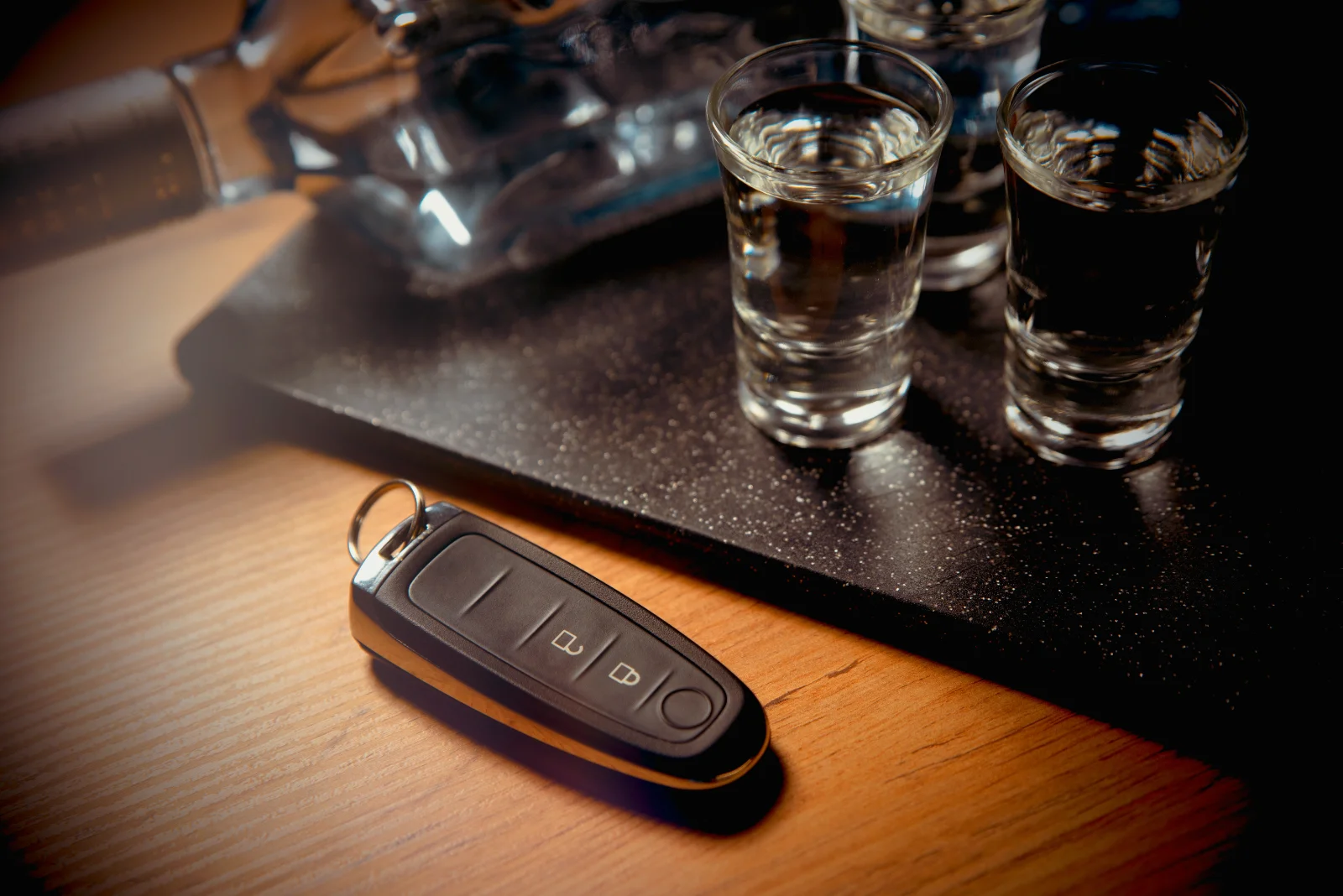
The DMV describes the device as about the size of a cell phone and wired to the vehicle's ignition. It asks for a breath sample before the engine starts, and if it detects alcohol, the engine won't start. Periodic breath tests are also required while the vehicle is running, so the device checks more than the first few seconds of a trip.
A few habits help drivers avoid failed or missed tests:
- Wait a while after eating or drinking before blowing, and rinse with water first.
- Skip mouthwash and other products that contain alcohol before driving, since they can register on a breath test.
- Pull over safely to complete a retest rather than ignoring the prompt.
- Tell the installer right away about any malfunction, warning light, or dead battery.
A single unexplained result can raise questions later, so keep notes on anything unusual, including the date, time, and what happened.
What Counts as Noncompliance With an IID Restriction?
Most noncompliance comes from ordinary lapses, and each of these can end a restriction or bring criminal penalties:
- Missing a 60-day service and calibration appointment
- Removing, bypassing, or tampering with the device
- Asking someone else to blow into the device or start the vehicle for you
- Driving any vehicle without a functioning certified device
Vehicle Code section 23247 makes tampering, outside help, and driving an unequipped vehicle unlawful. Installers report removal, tampering, and three or more maintenance failures to the DMV, and noncompliant time isn't credited toward your term.
What the Installer Reports to the DMV
When a device isn't calibrated within 60 days, the installer submits a Notice of Non-Compliance, form DL 921, to the DMV. The DMV then suspends or revokes the driving privilege, and the driver generally has to fix the problem and file a new verification of installation before the restriction can be restored.
Keeping SR-22 Insurance in Force
Proof of financial responsibility, usually an SR-22, is a condition of the IID-restricted license. If that proof lapses, Vehicle Code section 16484 requires the DMV to suspend the driving privilege until new proof is filed, even when the device itself is fully compliant.
What Does an Ignition Interlock Cost in California?

Section 23575.3(k) limits what lower-income drivers pay for the device, based on income compared to the federal poverty level:
- At or below 100 percent: 10 percent of the cost
- 101 to 200 percent: 25 percent
- 201 to 300 percent, or receiving CalFresh: 50 percent
- 301 to 400 percent: 90 percent
- Above 400 percent: full cost
Charges caused by your own noncompliance aren't reduced, and DMV fees, including a $103 administrative service fee, are separate. Ask the installer about income verification before installation.
Driving Other Vehicles With an IID Restriction
The restriction follows the driver, not the car:
- Borrowed vehicles: a family member's car needs its own certified device before you drive it.
- Motorcycles: Vehicle Code section 23575.3(o) bars riding one for the entire restriction period.
- Work vehicles: Vehicle Code section 23576 allows driving an employer-owned vehicle for work after the employer is notified, but not one owned by a business you control.
Planning ahead keeps a quick errand from becoming a new violation.
Finishing Your IID Term or Moving Out of State
Neither the end of the term nor a move out of California clears the restriction automatically.
When the IID Term Ends
Before removing a device, the installer must confirm your eligibility with the DMV, by phone or with an IID Installation and Removal Request, form DL 925. Early removal is reported to the DMV and can end the restriction, so confirm your end date first, especially if a lapse pushed it back.
If You Move Out of California
Drivers who finished a California DUI program but not the IID term may qualify for an out-of-state exemption by sending form DL 4062 and a residency document, according to the DMV's IID exemption page. Your new state may also apply its own rules, so check both before you move.
Getting Your Full License Back
Finishing the IID term doesn't restore a full license on its own. The DMV requires proof of DUI program completion and an SR-22 on file to reinstate full driving privileges, along with any reinstatement fees. Confirming with the DMV a few weeks before the end date that nothing is missing helps avoid a gap between the restriction ending and the full license returning.
A Compliance Checklist for the Full IID Term
Most drivers who finish an IID term on schedule rely on simple routines. These steps cover the problems that most often cost drivers time:
- Put every 60-day service date on your calendar and book the appointment at least a week early.
- Keep copies of the DL 920, service receipts, and DUI program paperwork in one folder.
- Carry the Notice to Employers form, DL 923, whenever you drive an employer's vehicle for work, as the DMV requires.
- Confirm with your insurer that the SR-22 stays active for the full required period.
- Update your address with the DMV within 10 days of a move so notices reach you.
- Confirm your end date with the DMV before scheduling removal.
Following the list won't prevent every problem, but it makes the ones that do come up much easier to explain and fix.
FAQs: IID Requirements After a DUI in California
Can Other People Drive My Car if It Has an Ignition Interlock Device in California?
Other licensed drivers can drive an IID-equipped vehicle in California if they pass the breath test themselves. Blowing into the device or starting the vehicle for a restricted driver is unlawful.
Do I Need a Valid License To Drive With an IID in California?
A valid license is required. California Vehicle Code section 23575.3 states that a functioning IID does not permit driving without a valid license, so the DMV must issue the restricted license first.
Can I Drive a Rental Car With an IID Restriction in California?
Only if the rental has a functioning, certified IID installed. California Vehicle Code section 23247 makes it unlawful to knowingly rent, lease, or lend a vehicle to a restricted driver without one.
Will My California Driver's License Show an IID Restriction?
The California DMV places a restriction on the driver's license record limiting the driver to vehicles with a functioning, certified IID for the full term.
Do I Need an IID in California After a DUI in Another State?
An out-of-state DUI conviction may trigger an IID requirement for a California driver's license, and the California DMV directs those drivers to its Mandatory Actions Unit for guidance on their specific situation.
Stay on Track With Your IID Restriction
A missed service date or early removal can cost months of progress, and the DMV rarely gives that time back. The Law Office of Rodney Gould helps California drivers review IID terms, DMV notices, and compliance records, and coordinates with your criminal defense attorney when a court case is still open. Every case depends on its own facts, and no attorney can promise a particular result.
If a DMV notice or an installer report has put your restricted license at risk, call (818) 740-3763 or use the online form so Rodney Gould can review it before the next deadline takes away more driving time.