An underage DUI in California can trigger a one-year DMV suspension at a BAC as low as 0.01%, even when the driver doesn't meet the 0.08% threshold for a standard per se DUI. The zero-tolerance law applies to drivers under 21 with a BAC of 0.01% or higher.
This is not the same as the 0.08% per se DUI standard, nor is it the same as the under-21 offense at 0.05%. More than one provision can apply to the same incident.
Understanding which offense applies, what the DMV can do, and what deadlines control the administrative case helps you protect your hearing rights before the suspension takes effect.
Key Takeaways for an Underage DUI in California
- California's zero-tolerance law can impose a one-year suspension when a driver under 21 has a BAC of 0.01% or higher.
- The DMV suspension is separate from any criminal charges and moves on its own timeline.
- A driver generally has 10 days after receiving the suspension order to request an APS hearing.
- A qualifying first offender can apply for a critical-need restricted license after serving a mandatory 30-day suspension.
- Refusing or failing to complete a required alcohol test can trigger a suspension or revocation lasting one to three years, depending on prior offenses and administrative actions.
What Are the License Consequences of an Underage DUI in California?
An underage driver with a BAC of 0.01% or higher can face a one-year DMV suspension. The suspension generally takes effect 30 days after notice unless the driver successfully challenges it.
What Is the Difference Between Zero Tolerance and a Standard California DUI?
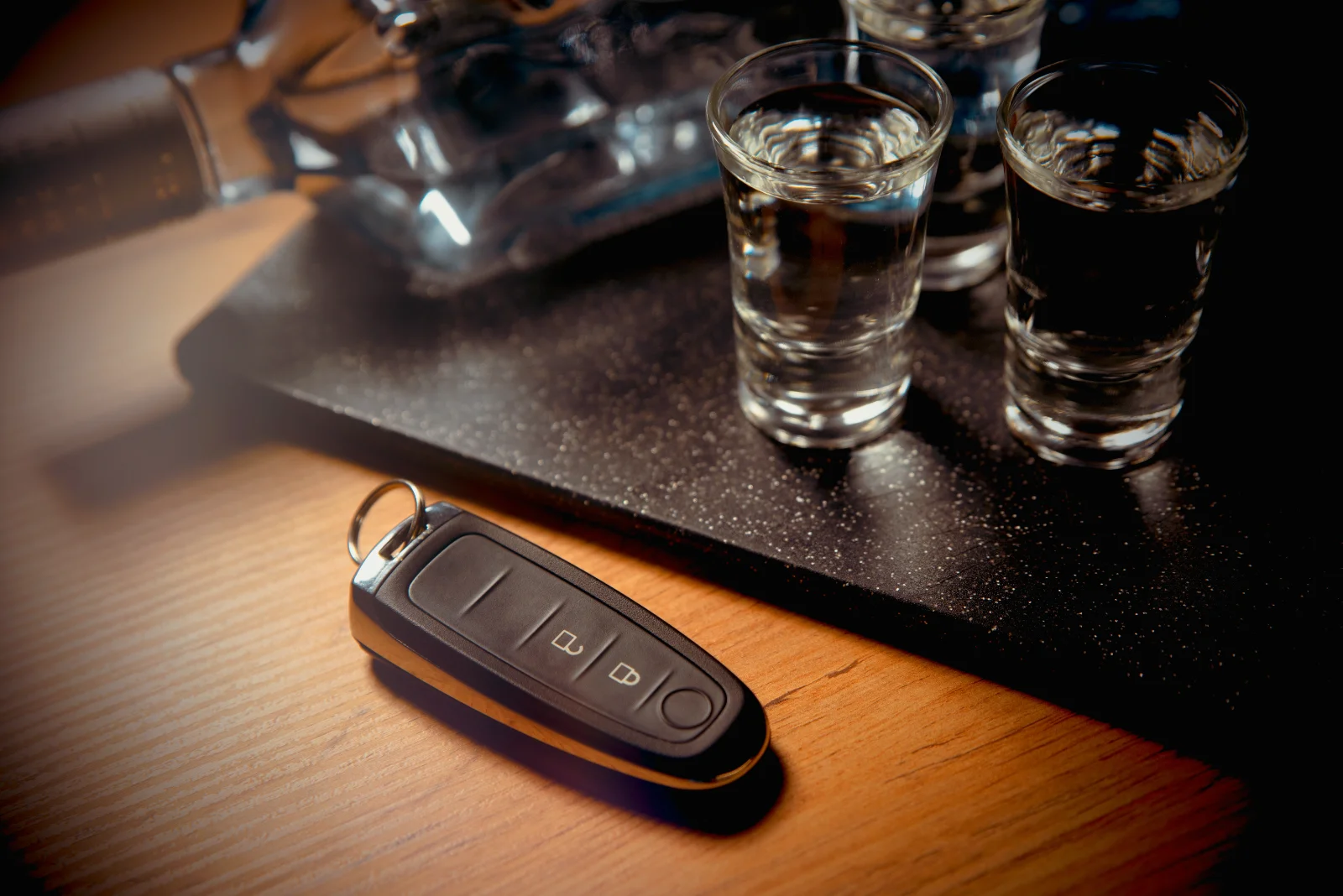
Zero tolerance under Vehicle Code § 23136 applies to a driver under 21 with a BAC of 0.01% or higher and can trigger an administrative license suspension. A standard DUI under Vehicle Code § 23152 can involve a BAC of 0.08% or higher or driving while impaired by alcohol or drugs. More than one law can apply to the same underage driver.
The under-21 categories look like this:
- Zero Tolerance: A BAC of 0.01% or higher can trigger a one-year administrative license suspension for a driver under 21.
- Under 21 With a BAC of 0.05% or Higher: This is a separate underage alcohol offense that can carry court-imposed consequences in addition to DMV action.
- Standard DUI: An underage driver can also face the ordinary DUI laws, including the 0.08% per se rule or charges based on impairment.
The DMV action doesn't depend on waiting for a criminal conviction. For a zero-tolerance case, the department can act based on the evidence supporting the administrative suspension.
How Fast Does the DMV Move on an Underage DUI?
The DMV can suspend an underage driver's license 30 days after the suspension order is served, so the administrative case starts moving well before the criminal case is resolved. The temporary license generally permits driving during that 30-day period if no other suspension or revocation is already in effect.
The hearing deadline comes much sooner. A driver generally has 10 days after receiving the suspension order to request an APS hearing. If the DMV can't hold the requested hearing before the suspension takes effect, the department can stay the action until the hearing is completed.
The APS process is separate from the criminal case and requires its own hearing request through the DMV. A DMV hearing lawyer in California can handle that administrative process while any criminal charges proceed separately.
What Restricted License Options Exist for Under-21 Drivers?
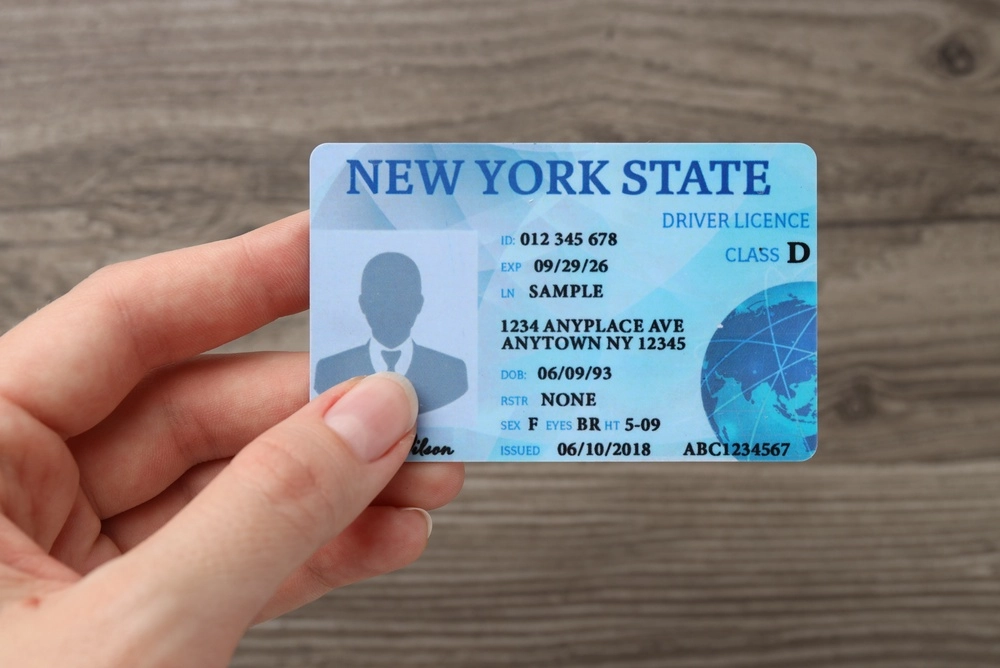
A qualifying under-21 driver suspended under the zero-tolerance law can apply for a critical-need restricted license after serving at least 30 days of the suspension. The driver must show that other transportation is inadequate and that a specific hardship creates a critical need to drive.
The critical-need restriction is not automatic. The driver must apply through the DMV and provide documentation supporting the claimed hardship. The DMV identifies qualifying needs involving family illness, school, work, and a family enterprise.
The restriction permits driving only with DMV approval. Since eligibility depends on the type of suspension and the driver's record, an under-21 driver shouldn't assume that the restricted-license options available in an adult DUI case also apply to a zero-tolerance suspension.
FAQ for Underage DUI in California
Can My Under-21 Child Refuse a Preliminary Alcohol Screening Test?
An under-21 driver who lawfully faces a zero-tolerance investigation must submit to a requested preliminary alcohol screening test or other authorized chemical test or risk a separate suspension or revocation.
A first refusal generally results in a one-year suspension, while qualifying prior offenses or administrative actions can increase the period to two or three years.
Will an Underage DUI Affect My Child's Ability To Get Auto Insurance?
An underage DUI-related suspension can affect insurance costs and coverage options, particularly when the driver must provide proof of financial responsibility to regain driving privileges.
Does an Underage DUI Show Up on College Applications and Background Checks?
A zero-tolerance administrative suspension is a DMV licensing action, not a criminal conviction. A separate conviction under California's DUI laws can create a criminal record, so what appears in a background check depends on which charges or administrative actions resulted from the incident.
Can My Underage DUI Suspension Be Reduced or Terminated Early?
A qualifying first offender can seek a critical-need restricted license after serving at least 30 days of a zero-tolerance suspension, but the suspension itself generally lasts one year. You must prove a qualifying hardship, show that other transportation is inadequate, submit proof of financial responsibility, and satisfy the DMV's other requirements.
What Happens if My Underage Child Was Not Actually Driving?
The zero-tolerance law requires proof that the under-21 person was driving a vehicle with a BAC of 0.01% or higher. If the DMV can't establish that your child was driving, you have grounds to challenge the administrative suspension at the APS hearing.
Protect Your DMV Hearing Deadline
An underage DUI can put a driver's license at risk before the criminal case gets far, and the deadline to challenge the DMV action is generally just 10 days after receiving the suspension order.
A California DUI hearing lawyer can review the notice and handle the administrative hearing process for an under-21 driver. Reach the Law Office of Rodney Gould at (818) 981-1760 or through the online form.